

園芸リンク
| メイン | 登録する | 人気サイト (top10) | 高評価サイト (top10) | おすすめサイト (19) | 相互リンクサイト (0) |
| カテゴリ一覧 | RSS/ATOM 対応サイト (87) | RSS/ATOM 記事 (35276) | ランダムジャンプ |
RSS/ATOM 記事 (35276)
ここに表示されている RSS/ATOM 記事を RSS と ATOM で配信しています。
| A Brief Bit on BHL Battling a Barrage of Bots from Biodiversity Heritage Library (2026-4-6 21:02) |
Over the past year, BHL has been forced to contend with the issue of AI Bot (short for robot) Crawlers and the effect of their unreasonable requests for BHL’s content. I say unreasonable because while BHL’s content is made freely available and is probably beneficial to modern LLMs, the behavior of these bots and their disruptive effect on BHL has proven that they are bad partners in the exchange of information.
BHL is not the only organization to contend with this in recent months. Other cultural heritage organizations have reported the same or similar experiences, most notably this detailed report from Michael Weinberg at the GLAM-E Lab.
By the time this and other articles had been posted in mid-2025, BHL had already crested the first wave of interruptions.
|
| 福寿草 育て方 水やり 灌水 from 庄内の日本桜草栽培日誌 (2026-4-6 13:15) |
|
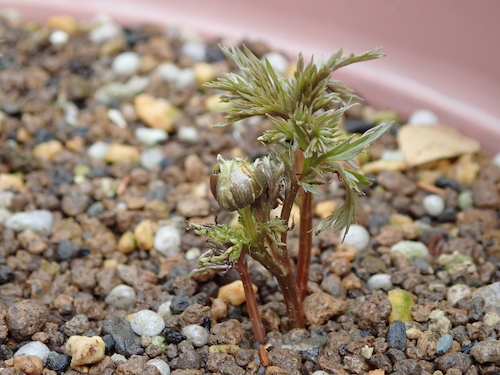
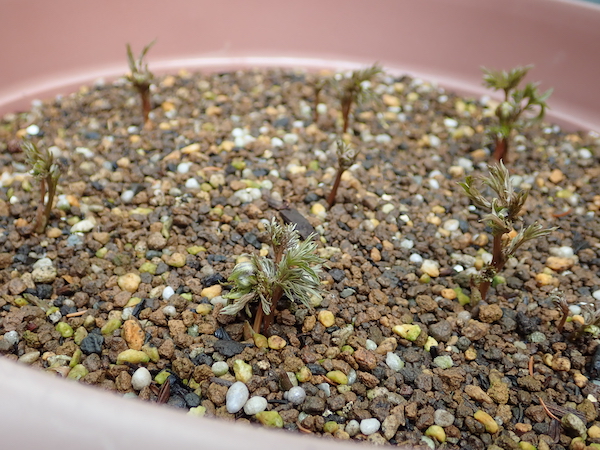
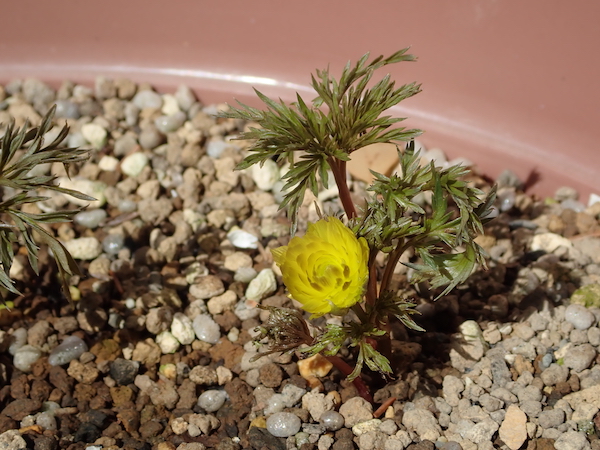
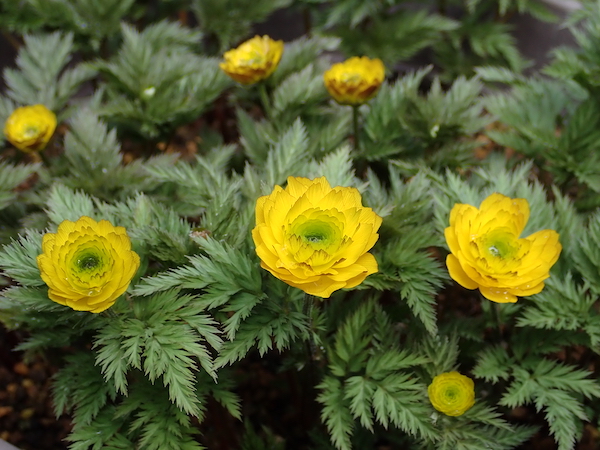
2004年以降の新時代では、1株1芽の株を小さい鉢で鹿沼土を使い、水やりを控え、乾燥気味に育てる。 新時代の栽培方法ってボディービルダーやアスリート選手のように、プロテインとサプリで体を作り体調管理している感じがします。 旧時代では、1株3芽以上の株を大きな鉢に赤玉土と腐葉土を使い、しっかり水を与え乾燥させないように育てる。 旧時代の栽培方法は腐葉土を入れて、牛糞や鶏糞など、土作りを大事にしており、食材を多く使った健康的な食事を心掛けている感じ。 私の水やり 福寿草は残雪が残る中でも春一番に開花しますし、田んぼの法面や水路、沢沿いに自生しており、水分を好む植物。 雪を融かす雨の後にぐんっと生長することから、水が福寿草の活動を目覚めさせているように感じるので 花が咲いてからは毎朝水やりをやっています。 とはいえ雪国の2〜3月上旬は最高気温が10度を超える程度なので、雨や曇りの日はやらない日もあります。 花が満開となり茎が伸びて葉が茂ってきたら毎朝水やりをします。油断すると暑さで茎が傾く時があるからです。 下記画像は2026年3月28日(土)の佐渡の幻ですが、 3月26日(木)が雨だったので3月27日(金)に水やりを控えたところ、お昼に茎が傾いていました。慌てて灌水して、3月28日無事に復活。 ちなみに3月27日(金)の最高気温は13.0℃ (11:50)でしかなく日照時間6.6時間でです。油断ならないので地上部が消えるまで毎朝水やりをします。
葉が枯れて地上部がなくなったら鉢を北側の日陰に移して、後は(鉢に勝手に生えてきた雑草を見ながら)春まで1〜2週間に一度程度。
2004年1月号 趣味の園芸 正月飾りのフクジュソウの植え替え 小平市 農園経営 柳宗民さん
|
| 福寿草 育て方 病害虫 ウイルス from 庄内の日本桜草栽培日誌 (2026-4-6 0:37) |
|
福寿草栽培で病害虫はほとんどありません。 根腐れや多湿による軟腐病とかは、病害虫ではなく栽培方法の問題なので、別途します。 平成福寿草の会では「ウイルス」「ウイルス」と書き立てますが、ウイルスの正体を明かさないし、 過去に栽培農家でウイルスで蔓延して消滅した事実があるだけで、一般の栽培には影響無いみたい。 園芸雑誌を読み返すと「白絹病」がある程度です。 「白絹病」は日本桜草でもいわれていますが、冒された話を聞きませんし 「白絹病」は発生したら処分するしか対処方法はないので、注意してても仕方ないです。 害虫としては代田さんがナメクジ駆除をやっている程度ですが、 私の場合は5月に入ってから青虫と夜盗虫の被害が起こります。 山形県も4月に入り温かい陽気となり、アマドコロ・ナルコユリ、山桜が開花した頃から夜にガが飛来するようになり 春に羽化したガが、知らぬ間に産卵していくようで、孵化した青虫たちが、福寿草の葉を食い散らかします。 5月に入ると葉先が色あせ、もう直ぐ葉が枯れる時期でもあり、葉が食われていることに気づきにくいのですが、 鉢縁に小さい黒いウンコが点々と残っているので判断できます。 青虫たちはとても細くて、葉脈と同じサイズ。それが葉脈に並行に張り付いているので、老眼では発見するのはとても困難です。 夜盗虫とナメクジは夜間に活動するので、日没後に葉の裏から懐中電灯で照らして、映し浮かんだシルエットで見つけ次第指で摘んで潰しています。 我が家の病害虫は、この青虫と夜盗虫、ナメクジだけです。
|
| 福寿草 育て方 用土 培養土.3 from 庄内の日本桜草栽培日誌 (2026-4-3 22:52) |
|
赤玉土+ひゅうが土ベースにクズ炭を混ぜたり竹炭を挿したりしていますが、 植え替え時に粉末バッドクアノと日清ガーデニングのすぐ植え石灰を、さらっと薄く撒いています。 フルイで選別し終えた植え替えで使用する全ての用土を青いプラの平桶に入れて その上に粉末バッドクアノとすぐ植え石灰をさらっと薄く撒いて攪拌。 粒状と違って粉末なので、用土の粒1粒1粒をコーティングする形で、用土全体に広まります。 適量より少ない量をさらっと撒いているので問題ありませんが すぐ植え石灰は、酸性の土壌をpH調整して中性にするそうです。 粉末バッドクアノは、カルシウムが多いので石灰をまく必要はないそうです。 バッドクアノは、5号鉢に元肥として使用する場合は20g、追肥は10gを使用するようですが、 私の場合は さらっとしか撒いているので全く足りてないと思います。
|
| Vanderbilt University’s Heard Libraries Join BHL and Commit Major Technical Support from Biodiversity Heritage Library (2026-3-31 23:00) |
We are delighted to announce a new collaboration between the Biodiversity Heritage Library (BHL) and Vanderbilt University’s Jean and Alexander Heard Libraries that will provide digital preservation support for the world’s largest open-access repository of natural history materials. Through the agreement, the Heard Libraries will contribute cloud infrastructure expertise and technical leadership for BHL, which serves as a foundational resource for biodiversity science, taxonomy and conservation research, with more than 63 million pages dating from the 15th to the 21st century.
|
| 福寿草 育て方 植え方 植える深さ.1 from 庄内の日本桜草栽培日誌 (2026-3-30 22:37) |
|
私の福寿草を植える深さ考察のバックボーン ・秋田県金浦町産の救助個体をGWにいただいて栽培してみた結果。 ・「吉野」を栽培してみた結果。 ・「寿」を栽培してみた結果。
|
| Laubmoose (added: 03/30/2026) from Botanicus Recent Updates (2026-3-30 11:18) |
|
By: Warnstorf, Carl,1837-1921. Publication Info: Leipzig : Borntraeger, 1904-1906. Call Number: QK544.G3 W37 1904-1906 Contributing Library: Missouri Botanical Garden |
| 福寿草 育て方 鉢サイズ 選び方 from 庄内の日本桜草栽培日誌 (2026-3-28 23:13) |
|
私の鉢サイズ考察のバックボーン ・桜草栽培の経験。 ・秋田県金浦町産の救助個体をGWにいただいて栽培してみた結果。 ・鹿沼土単体で栽培して生育が悪かった「吉野」を栽培してみた結果。 ・「寿」を栽培してみた結果。
↑
2021年:花数多く、今までと違って花容が多彩。茎丈が伸び葉の茂りが凄い。見るからに健康そう。
↑
根腐れさせることなく毎年開花させ、株を充実させて増やしていきたいと願っている人は、 |
| Celebrating 20 Years of BHL: Introducing Our Anniversary Blog Series from Biodiversity Heritage Library (2026-3-28 0:20) |
In 2026, the Biodiversity Heritage Library (BHL) is celebrating twenty extraordinary years of global collaboration, discovery, and open biodiversity knowledge.
For two decades, BHL has united libraries, museums, herbaria, and research institutions worldwide to make biodiversity literature freely accessible to anyone, anywhere. What began as a collaborative digitisation initiative is now the world’s largest online library of biodiversity literature and an essential foundation for research, conservation, and data integration.
To mark this milestone, we are launching a special anniversary blog series BHL at 20: Treasures from the Biodiversity Heritage Library highlighting remarkable works from across BHL’s collection. These treasures will include rare and historic volumes, medieval manuscripts, richly illustrated monographs, handwritten field diaries, scientific notebooks, specimen registers, society newsletters, and modern journals. Together, they will reveal the depth, diversity, and enduring relevance of our biodiversity knowledge across time.
|
| 福寿草 育て方 ボラ土 ひゅうが土 さつま土 from 庄内の日本桜草栽培日誌 (2026-3-27 14:19) |
|
用土に関しては当該ブログカテゴリー「用土の勉強」を今一度見てみてください。 日本桜草の栽培経験を経て気付いたこと 「硬質◯◯土」の硬質には明確な高度基準がなく、メーカーの主観で自由に表記できるいい加減な表記でしかありません。 ・鹿沼土と硬質鹿沼土は同じで、何を使っても1年で砕けてしまう。使うだけ無駄。 ・赤玉土と硬質赤玉土、2本線赤玉土を使っても、1年使うと砕けて微塵が発生する。 ですが赤玉土は使用する前に水洗いしたり、1年間使って微塵を取り除いて再利用すると硬い粒が残るので、その後何年も使えます。 鹿沼土と硬質鹿沼土に見切りをつけた私は、次に軽石を試すことにしました。 地方にあるホームセンターの園芸コーナーには、当時「軽石」しかなかったからです。 軽石を買って気付いたのですが、多孔質ではなく、単なる小粒な石でしかありませんでした。 産出地が違う商品を買って見ても、それは同じで中身は普通の「石」でした。「軽石」表記にも規格と基準は無かったのです。 「軽石」にも見切りをつけた私は、「ひゅうが土」を試すことにしました。 「用土の勉強」の中にも書きましたが、 赤玉土(中粒)を購入しても粒のサイズがバラバラで、フルイに掛けてサイズ別に分けて使用しないといけません。 「硬質◯◯土」の硬質という表記と「軽石」表記には規格と基準は無く、製造元の主観という加減な表記でしかない。 これ以上余計な出費をしたくなかったので、下記ブランドの「ひゅうが土」を購入。多孔質で軽く形崩れせず問題は無くとても良いです。
|


Over the past year, BHL has been forced to contend with the issue of AI Bot (short for robot) Crawlers and the effect of their unreasonable requests for BHL’s content. I say unreasonable because while BHL’s content is made freely available and is probably beneficial to modern LLMs, the behavior of these bots and their disruptive effect on BHL has proven that they are bad partners in the exchange of information.
BHL is not the only organization to contend with this in recent months. Other cultural heritage organizations have reported the same or similar experiences, most notably this detailed report from Michael Weinberg at the GLAM-E Lab.
By the time this and other articles had been posted in mid-2025, BHL had already crested the first wave of interruptions.


We are delighted to announce a new collaboration between the Biodiversity Heritage Library (BHL) and Vanderbilt University’s 


In 2026, the Biodiversity Heritage Library (BHL) is celebrating twenty extraordinary years of global collaboration, discovery, and open biodiversity knowledge.
For two decades, BHL has united libraries, museums, herbaria, and research institutions worldwide to make biodiversity literature freely accessible to anyone, anywhere. What began as a collaborative digitisation initiative is now the world’s largest online library of biodiversity literature and an essential foundation for research, conservation, and data integration.
To mark this milestone, we are launching a special anniversary blog series BHL at 20: Treasures from the Biodiversity Heritage Library highlighting remarkable works from across BHL’s collection. These treasures will include rare and historic volumes, medieval manuscripts, richly illustrated monographs, handwritten field diaries, scientific notebooks, specimen registers, society newsletters, and modern journals. Together, they will reveal the depth, diversity, and enduring relevance of our biodiversity knowledge across time.